
Types of compost
- Regular” or hot compost which is basically compost thrown into compost bin and left to breakdown aerobically which then generates alot of heat.
- Worm compost (vermicompost is a product of decomposition whereby earthworms and food scraps or food waste like kitchen scraps other natural biodegradeable materials are mixed together to decompose together. Vermicast is also produce as a waste product of the earthworms when they feed on the mixture.
- Composted manure is basically composition of different cattle manure mixed together and left to decompose aerobically, this is also aided with the addtition of plant matter and water. This way of composting however may yield more bacteria.
- Mushroom compost. Mushroom spawn is mixed with a compost pile of gypsum, peat moss, lime, soybean meal, this may differ from companies. It is then steam pasteurized to kill weed seeds and any other harmful agents. A mixed layer of sphagnum moss and lime is top-dressed onto the top of the pile for the growth of mushrooms.
1. Peat based compost
To make this compost, peat is mixed with other compost materials like plant waste, kitchen scraps and other organic materials.
2. Loam based compost
This compost is made up of a mixture of loam, clay , slit and sand
3. Peat free compost
This compost is basically compost without peat which is becoming increasingly popular due to its lesser carbon foodprint.
4. Organic compost
Organic composts contain a mixture of materials e.g. peat, expanded wood fibres and composted bark in varying proportions.
5. All/multi purpose compost
This compost is basically compost with additional fertilizer added or certain additional ingredients added to not just help to set the foundation of the soil but also enhance plant growth in certain areas like flowering, leaves or stem growth.
Compost Products:
- Miracle-Gro All Purpose Enriched Compost (50L) read the review.
- Westland Multi-Purpose Compost with John Innes, Brown (50L) read the review.
- Westland Jacks Magic All Purpose Compost (40L) read the review.
- J. Arthur Bowers Multi-Purpose Compost (50L) read the review.
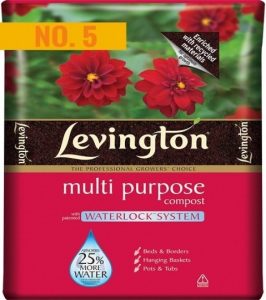
- Scotts Miracle-Gro Levington Multi-Purpose Compost (70L) read the review.
Method of evaluation:
We will be evaluating the soil in the light of four factors based on our extensive research
- Growth potential.
- Soil resistance to pest and germs.
- PH sustainability of the soil.
- Nutrient content and retention.
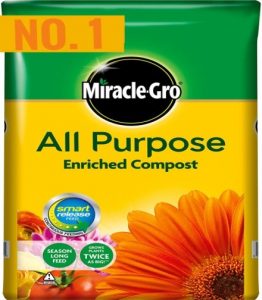
This compost will be our top choice:
Growth potential:
It contains the Miracle-Gro All Purpose Continuous Release, Plant Food of which the N-P-K is 17-9-11. Look at its fertilizer composition with Nitrogen 17%, Phosphorus 9%, Soluble Potash 11%.
5/5 stars
Nutrient content and retention:
This compost is a unique combination of 14 vital minerals. Three macroelements N/P/K and 11 microelements. It uses Waterlock™ technology that withholds 25% more water to help stop your plants drying out. It also uses a time-release system to release the fertilizers into the plant's root system over time.
5/5 stars
Soil resistance to pest and germs:
Healthy soil with its useful microorganisms can act as a deter growth to harmful pests, especially with the presence of organic materials which are food for the good microbes. However, there have some cases of gnats or their eggs found in the soil.
2.5/5 stars
PH sustainability of the soil:
Its pH is the same as just about every commercial potting soil, which is 6.5 or very close.
3/5 stars
Total score 15.5/20
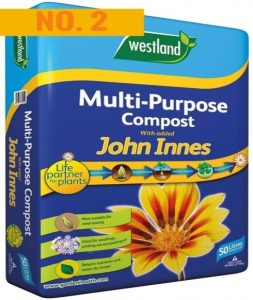
Growth potential:
This compost is perfect for all life stages of plants and suitable for seed sowing gives more robust plant development, ensuring more flowers, more vibrancy, and longer plant life.
4/5 stars
Soil resistance to pest and germs:
There is sterilized loam present in the John Innes so it might resist parasites.
3/5 stars
PH sustainability of the soil:
This compost has the optimum pH, which ensures the correct amount of nutrients are freely available for plant uptake.
4/5 stars
Nutrient content and retention:
It only feeds plants for up to 5 weeks. This compost includes peat and loam, which are great for nutrient and water retention, but that also means it may not come from environmental-friendly sources.
4/5 stars
Total score 14/20
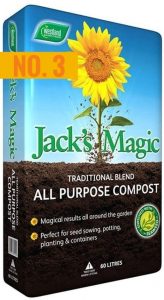
potential:
Contains deficient level of fertilizer, which may produce spindly plants. It might not give you the results you are looking for.
2/5 stars
Soil resistance to pest and germs:
It has seaweed garden nutrients in it which are fungal and disease preventatives.
4/5 stars
PH sustainability of the soil:
As it contains seaweed, it might have a neutral to slightly alkaline pH, but that is great to neutralize acidic soil. If you live near a sea, this is the compost for you as seaside land is mostly acidic.
3/5 stars
Nutrient content and retention:
Compost includes several nutrients, but the most important of them all is seaweed which improves soil consistency and increases water retention in sandy/grainy soils.
4/5 stars
Total score 13/20
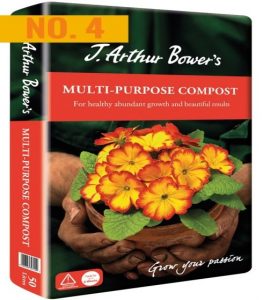
Growth potential:
Its an NPK compost offering exceptional growing results. Being a multi-purpose compost, it is suitable for all kind of plantings.
4/5 stars
Soil resistance to pest and germs:
During storage, you may occasionally notice a wild mould growing on the composted organic matter. It may disappear after a few watering but might pose a problem.
2.5/5 stars
PH sustainability of the soil:
The chloride levels are twice as high, but chloride is a very weak base so it might not alter the pH of soil at a large scale but be cautious.
3/5 stars
Nutrient content and retention:
This compost provides all the nutrient to your plant for 4-6 weeks.
The coarse texture of this compost prevents water logging and compaction. If you have a heavy soil prone to water-logging, this compost is best for you. The chloride content may interfere with nitrogen availability to plant.
3/5 stars
Total score 12.5/20
If you are on a tighter budget, this compost is for you. A whopping 100L of compost for a low price.
Growth potential:
This compost might not offer you a sudden boom in your garden, but it does provide all the necessary nutrients to the plants.
2.5/5 stars
Soil resistance to pest and germs:
It contains intercept (imidacloprid) which controls soil-dwelling insect pests such as vine weevil, sciarid fly and greenfly.
3/5 stars
PH sustainability of the soil:
It has a neutral pH balance, and the only exceptions to this are acid-loving plants.
4/5 stars
Nutrient content and retention:
It's a firm and compact compost. The nutrients inside offer plenty of nourishment to new seedlings or if you are repotting older plants but only for four weeks. Its low peat formula absorbs 25% water.
2.5/5 stars
Total score 12/20
Frequently asked questions:
Is store bought compost good?
Store bought compost is if you do have experience in balancing PH as well as mixing in organic and organic material together yourself. If you are a beginner gardener and still learning, it is best to invest in a commercial pre mixed compost.
Which is better topsoil or compost?
Topsoil usually contain more organic matter due to dead leave, flowers and fruits which continuously biodegrade. However in view of long term growth, commercially mixed compost is better as they not only have the benefits of topsoil but also contain fertilizers essential for plant growth.
Where can I buy organic compost?
Garden centers, nurseries, your local garden store would carry organic composts. If you do not live a convenient location, try trying searching online
Is the compost suitable for growing vegetables?
With high amount of organic material, compost is fantastic for growing vegetables especially when the produce is eventually going to someone's stomach.
Is the compost organic?
Compost is mostly organic however the organic percentage can vary from different commercial suppliers depending on the ingredients used.